Living in Basel-Country: Housing and Tax Benefits Near the Cultural City
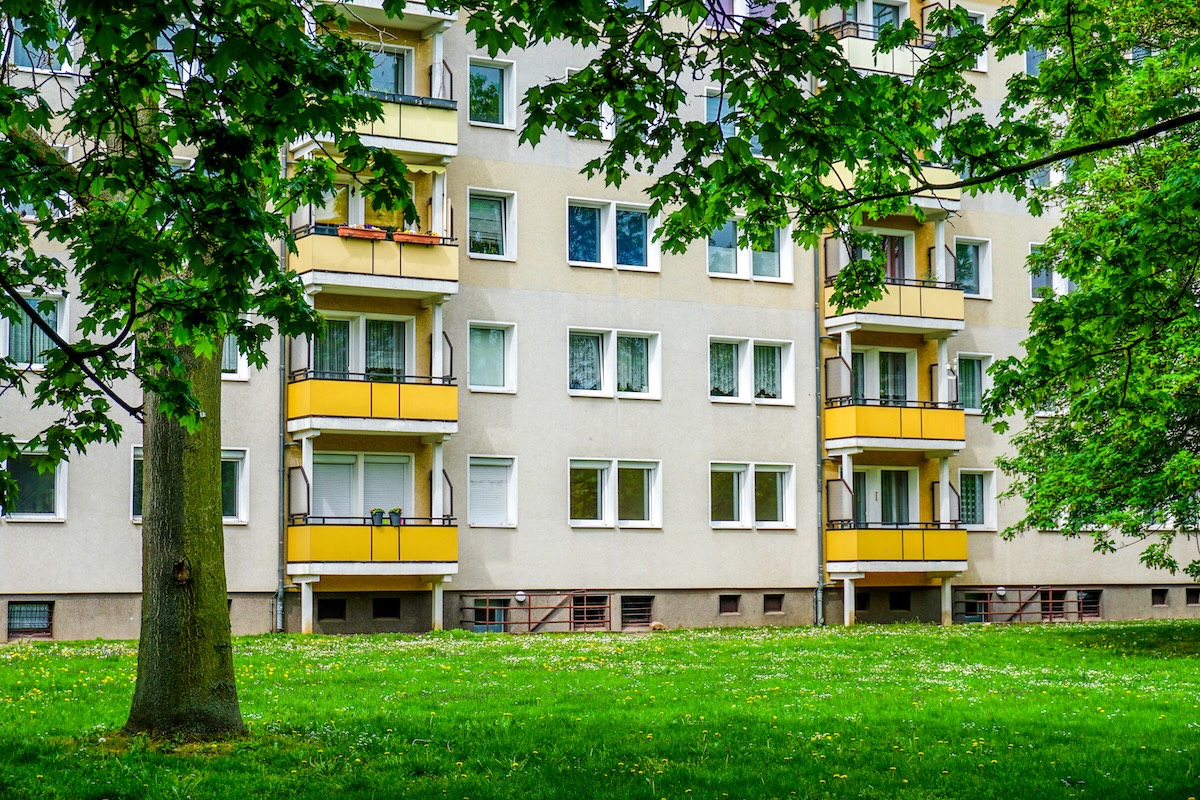
In northwestern Switzerland, the acquisition of residential property in the canton of Basel-Landschaft represents the classic synthesis of suburban quality of life and immediate proximity to a globally networked economic and cultural center. The city of Basel, characterized by its financially strong life sciences industry and a world-renowned museum landscape, has an immense appeal for qualified professionals and established families. Since the urban area of the city canton is very geographically limited and the local market for property has virtually dried out, the “Basel area” traditionally functions as the region's primary housing outlet. However, anyone who wants to buy real estate here is entering a complex area characterized by considerable municipal tax differences, distinctive topography and tough financial mathematical hurdles. This guide analyses the heterogeneous structures of the Basel real estate market and provides discerning buyers with well-founded guidance for a successful long-term location selection.
The Basel area in the wake of a cultural city: agglomeration dynamics and supply bottlenecks
The market for real estate loans and residential property in the canton of Basel-Landschaft has been following a clear, structural trend for years: The demand for high-quality housing in the districts close to the city center far exceeds the real supply. The official surveys carried out by cantonal statisticians for 2026 substantiate this situation with hard facts. The cantonal vacancy rate remains at a historically low level of just 0.8%. In the particularly sought-after municipalities in the district of Arlesheim, the vacancy rate is even trending towards zero at times. Compared to regions, this pronounced shortage primarily affects free-standing single-family homes and spacious condominiums in the upscale segment, while there is still moderate leeway in the more rural Oberbasel area.
This ongoing shortage is clearly reflected in transaction data. The average price per square meter for residential property in the canton of Basel-Landschaft settled at a median of around 8,929 francs in 2026. However, a differentiated look at the segments reveals a significant gap: While the cantonal average of apartments is 9,246 francs per square meter, houses have a median of around 7,812 francs. Despite a slight decline in prices for undeveloped residential land in the previous year due to massive increases in material and construction costs, overbuilt plots of land remain stable. Anyone making acquisitions in suburbs close to the city center is confronted with a highly competitive environment in which existing equity and the bank's prompt financing commitment are decisive for success.
The oases of the bacon belt: A portrait of tax-friendly suburban communities
The Basel-based real estate market is divided into highly differentiated sub-markets, whose financial and geographical location decisively determines the long-term residential costs of buyers:
- Binningen and Bottmingen (The absolute premium class): These two municipalities form the undisputed top class of the Basel housing market. Bordering the city of Basel, they offer a stately residential environment characterized by extensive villa quarters and excellent infrastructure. The decisive trump card here is the fiscal environment: Bottmingen and Binningen operate with the lowest municipal tax rates in the canton of just 45% and 49% of state tax, respectively. These tax havens attract an extremely wealthy clientele, resulting in prices per square meter of well over 11,000 francs.
- Oberwil, Therwil and Ettingen (The family-friendly Leimental Valley): The Leimental has become one of the most dynamic development centers for families. Municipalities such as Oberwil (tax rate 50%) and Therwil (52%) offer a perfect symbiosis of rural idyll, excellent connections via the BLT tram network directly to Basel city center and first-class educational institutions. Real estate prices here are in the upper midrange, with free-standing properties estimated on average between 9,500 and 10,500 francs per square meter in 2026.
- Muttenz and Pratteln (The economic powerhouses in the East): Located along the banks of the Rhine, these communities combine high industrial and logistical added value with attractive residential areas on the surrounding slopes. Thanks to modern site developments (such as the Aquila or Ceres Tower), Pratteln offers urban living space in the lowlands at conditions of around 7,497 francs per square meter, while the upscale hillsides of Muttenz break the 12,000-franc mark in the single-family home segment.
- Liestal and the Oberbasel area (The rural alternative): As the cantonal capital, Liestal (tax rate 65%) acts as the administrative center of the canton. With prices per square meter of around 8,458 francs for apartments, Liestal offers a noticeably more moderate entry level than Birstal close to the city. This price gap is even more pronounced in the Upper Ergolz Valley or in the Laufental Valley: Anyone who accepts longer commuter routes will find intact village structures and single-family homes in rural areas at conditions that are far below the cantonal median, but must accept a higher municipal tax burden in return.
Regulatory framework: The interplay of taxes and financing
The evaluation of a property in the canton of Basel-Landschaft requires prospective owners to conduct a holistic analysis of the overall fiscal system. In contrast to cantons with uniform tax rates, the pronounced municipal tax competition in the Basel region leads to considerable disparities. The savings in income and wealth tax in a municipality such as Bottmingen compared to the cantonal capital of Liestal can amount to tens of thousands of francs per year for high-income households. These recurring savings often compensate for the higher mortgage costs of properties close to the city within a few years and must necessarily be integrated into the private financing plan.
Another macroeconomic factor in 2026 is the ongoing nationwide debate about the abolition of imputed rental value. Since the legal implementation of this system change will drastically curtail tax deductions for maintenance costs and debt interest, the energy status of the property is becoming the focus of risk analysis. The Canton of Basel-Landschaft is proactively promoting the decarbonization of the building park through the cantonal energy package. Owners who are striving for thorough modernization benefit from substantial funding, provided that a legally valid GEAK report is available. In the long term, this has a positive impact on imputed affordability, as real service charges fall drastically.
Checklist: Strategic steps for buying real estate in the Basel region
In order to consistently rule out financial mistakes and negotiate top conditions when acquiring a property in Basel's bacon belt, buyers must work through the following points in a structured manner:
- 1. Analysis of the municipal tax rate: Compare the tax rate of your desired municipality with the cantonal average. Use tax savings from low-tax municipalities in a targeted manner as additional leverage for your affordability calculation.
- 2. Validation of the eligible loan value: Since properties in the Arlesheim district are often traded at considerable market premiums, you should have the internal bank loan value checked in advance to avoid unforeseen gaps in equity coverage.
- 3. Commuter infrastructure audit: Evaluate the accessibility of your workplace via the Basel S-Bahn network and the frequency of the BLT tram lines, particularly during peak hours.
- 4. Evaluation of the building energy certificate (GEAK): Analyze the energy efficiency class of the property in order to precisely budget deferred renovation obligations relating to the replacement of fossil heating systems.
- 5. Independent market evaluation via heyloft.ch: Don't blindly trust the emotional price demands of sellers. Use heyloft.ch's platform-based estimation tools to objectively reflect the price per square meter using real Basel provider transaction data and to prepare your dossier perfectly.
Conclusion: Securing prosperity in the demanding suburban market
In the current market phase of 2026, an investment in residential property in the canton of Basel-Landschaft offers one of the most crisis-resistant opportunities for private wealth creation in northwestern Switzerland. The unique balance between the economic potency of the Basel economic area and the simultaneous quality of life in the green suburbs ensures that owners retain the long-term value of their real value investments. Anyone who approaches the selection process with analytical rigour, precisely calculates the tax parameters of the municipalities and makes strategic use of the infrastructure network, transforms the change of canton into a highly efficient tool for long-term financial resilience. The Basel area remains one of the most exclusive addresses for sustainable living in the immediate catchment area of the cultural city.
Questions from this guide

Get answers to your questions
No matter what questions you have about real estate — Loft is here to answer them clearly, simply, and reliably.
Ask questions about a property