Energy-Efficient Renovation: Boosting Swiss Property Value
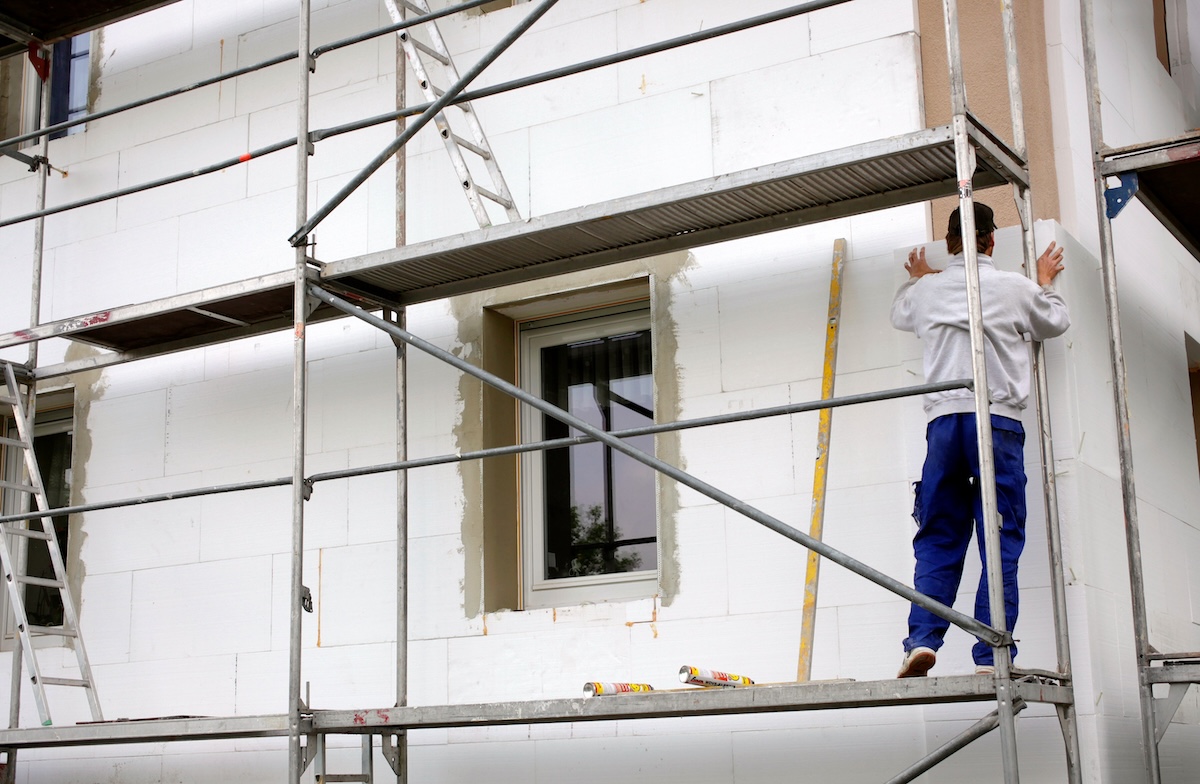
The transformation of the Swiss building park is in full swing. What was regarded as ecological idealism a decade ago has now developed into a tough economic factor on the Swiss real estate market. In view of rising energy prices and stricter cantonal legislation (such as the MuKen), energy-efficient renovation is no longer just a question of ethics, but a central strategy for maintaining value and increasing market value. Anyone who invests in the efficiency of their property today protects their capital from the fate of a “stranded asset” — a property that, due to a lack of modernization, becomes unsaleable or can only be sold at massive price reductions.
The GEAK as an indicator of market value
The cantonal building energy certificate (GEAK) has developed into the “energy passport” of the Swiss real estate world. It classifies the efficiency of the building envelope and the overall energy balance on a scale of A to G. For buyers and banks, this certificate is just as important a document as the land register extract.
An improvement in energy efficiency from a low class (E—G) to range A or B has a direct effect on the market value of real estate. Studies show that energy-efficient houses in Switzerland experience an increase in value of 5% to 15% compared to unrenovated comparative properties. In addition, financing by banks for “green” real estate is often possible on preferential terms, as the risk of default decreases due to lower service charges and greater ability to be used by third parties.
The heat pump: The end of the fossil era
Replacing a fossil oil or gas heating system with a heat pump is the most effective individual measure for reducing CO2 and increasing value. In many cantons, the replacement of fossil heating systems with climate-neutral alternatives in the event of a defect is already required by law or heavily regulated.
A modern heat pump system, ideally combined with a geothermal probe, signals future security to potential buyers. It decouples real estate operating costs from volatile fossil fuel prices. When valuing a property, a modern heating system is directly accounted for as a value-adding element, while an old oil heating system is now often deducted from the purchase price as a renovation backlog.
Building envelope and photovoltaics: The synergy of efficiency
However, a new heater is only as good as the shell in which it works. The energy-efficient renovation of the façade and roof and the replacement of old windows with triple glazing prevent massive energy loss. A well-insulated building envelope massively increases living comfort through a more stable indoor climate — a soft factor that often makes the difference when visiting.
At the same time, the photovoltaic system has developed from a niche product to a standard. A house that produces its own electricity offers self-sufficiency, which is very popular in times of uncertain electricity markets. The combination of photovoltaics, battery storage and a heat pump creates a closed system that massively increases the attractiveness of a property on the Swiss housing market. Buyers don't just see a house here, but a power plant with calculable fixed costs.
Subsidies and tax optimization
A decisive advantage for owners in Switzerland is the financial backing provided by the public sector. The federal and cantonal buildings program pays out hundreds of millions of francs in funding for energy-efficient renovations every year. Depending on the canton and project, these subsidies can cover up to 30% of investment costs.
In addition, tax law offers attractive incentives: Investments aimed at saving energy can usually be fully deducted from taxable income. Since these deductions can often be spread over two to three tax periods, the tax authorities significantly reduce the effective net burden of restructuring. Strategically clever owners are therefore planning their renovations in stages in order to optimally break the tax progression.
Preventing loss of value: The risk of inaction
Energy-efficient refurbishment must also be viewed from the perspective of risk management. Real estate, which today ranks at the lower end of the scale in terms of energy, is threatened with a “brown devaluation.” Investors and private buyers are increasingly pricing future restructuring costs into their bid. Anyone who waits until the heating system fails in winter or new laws force immediate conversion loses negotiation leeway and often pays premium prices for craftsman services under time pressure.
Checklist: Maintaining value through energy-efficient renovation
- GEAK analysis: Create an official building energy certificate to have the current status and potential in black and white.
- Heating check: Plan to replace fossil burners with a heat pump or district heating early on.
- Check insulation: Inspect the attic and façade for thermal bridges.
- Replace window: Check the U-value of your glazing; modern windows are an immediately visible selling point.
- solar potential: Use computers such as “Sonnendach.ch” to check the suitability for photovoltaics.
- Funding: Apply for subsidies through the buildings program before the groundbreaking ceremony takes place.
- tax planning: Discuss with your trustee how you can deduct the costs over several years.
conclusion
Energy-efficient renovation has advanced from an ecological “nice-to-have” to an economic obligation for Swiss property owners. In a market environment that is increasingly sensitive to maintenance costs and climate balances, modernizing building technology and building envelope represents the most effective form of maintaining value. Anyone who uses the building program wisely and makes use of the tax deduction options not only invests in the planet, but directly in the return and attractiveness of their property. Efficiency is the new currency on the Swiss real estate market.
Questions from this guide

Get answers to your questions
No matter what questions you have about real estate — Loft is here to answer them clearly, simply, and reliably.
Ask questions about a property