Grisons Property Market: From Chur to Top Alpine Resorts
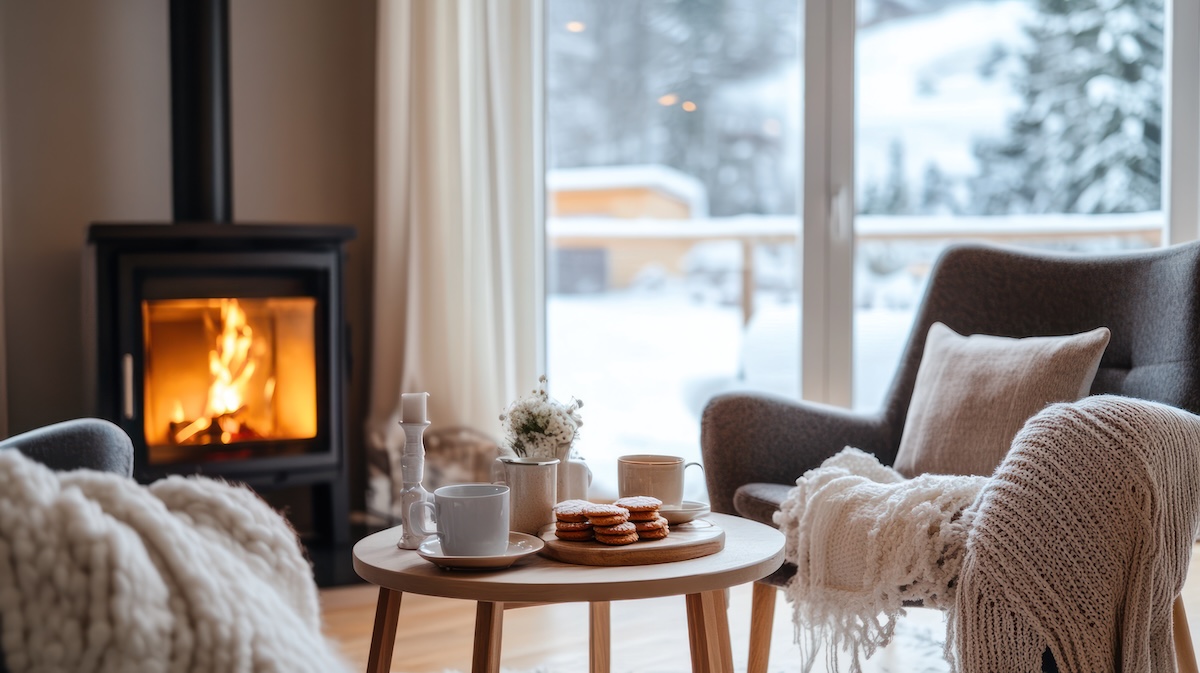
For a demanding clientele, the alpine mountains of Grisons represent the ultimate symbiosis of pristine nature, discreet luxury and long-term economic stability. But in 2026, the real estate market in Switzerland's largest canton presents itself as a highly competitive and heavily divided terrain. Anyone who wants to buy housing here or strategically invest in tangible assets will encounter a market environment characterized by extreme technological scarcity, considerable topographic price disparities and the tough regulatory guidelines of Swiss legislation. This guide analyses the heterogeneous structures of the Graubünden sub-markets — from the urban cantonal capital of Chur to the world-famous luxury resorts in the high mountains — in their entirety and provides well-founded guidance for a successful choice of location in the mountains.
The Grisons real estate market: A high-voltage alpine market
The economic environment for real estate in the canton of Grisons follows an unyielding and profoundly asymmetrical dynamic. The local market is suffering from an acute housing shortage across the board, which is unequivocally confirmed by the latest statistical data from the Graubündner Kantonalbank: The cantonal vacancy rate remains at a historic low of just 0.6% in 2026. In the sought-after tourist centers and the core agglomeration, the rate is even close to zero. This chronic excess demand is met with a sharp decline in new construction activity, as restrictive building zone regulations and considerable topographic barriers de facto prevent a noticeable expansion of supply.
The consequence of this shortage is reflected in sustained, above-average price dynamics compared to national standards. The average price per square meter for residential property in the canton of Grisons reached the mark of around 9,600 francs in 2026. The aggregated market data reveal a massive gap between property types and regions: While the cantonal median price for condominiums is around 11,000 francs per square meter, rural single-family homes are around 8,200 francs. According to recent analyses by the UBS Real Estate Bubble Index, the tourism regions of Graubünden now have high fundamental imbalances almost across the board. Anyone who acquires here must be prepared for uncompromising bidding processes, in which the immediate availability of equity determines the success of the transaction.
Portraits of regions: urban centers and world-famous luxury destinations
The Canton of Grisons is divided into highly differentiated sub-markets whose socio-cultural profile and pricing location require differentiated substance testing by the investor:
- Chur and the Rhine Valley (The Urban Power Center): As Switzerland's oldest city and undisputed cantonal capital, Chur acts as the region's economic engine. Living in the Chur Rhine Valley offers a high quality of life thanks to the combination of urban infrastructure, excellent connections to the Zurich-Sargans axis and immediate proximity to recreation areas. The housing market is characterized by a high level of stability: condominiums in urban areas average around 9,100 francs per square meter. Since over 70% of Chur's portfolio consists of rental apartments, the supply of freely sellable residential property is extremely limited, which guarantees a high level of value stability.
- St. Moritz and the Upper Engadin (The worldwide premium class): The Upper Engadin represents the undisputed epicenter of the global luxury segment. Benefited by a unique plateau and a wealthy, international clientele, properties in St. Moritz, Pontresina or Silvaplana achieve price dimensions that occupy top positions in Europe. The median price for first-class condominiums in St. Moritz in 2026 is a staggering 25,600 francs per square meter, with exclusive properties in the fillet layers of the Suvretta slope easily breaking the mark of 40,000 francs. This market operates decoupled from the local economy and serves primarily as an illiquid, highly discreet asset store.
- Davos and Klosters (The symbiosis of congress city and tradition): Davos, the highest city in Europe, and the neighboring, stately monastery form a fascinating dual sub-market. While Davos impresses with its urban density, first-class medical research centers and global events such as the WEF, the discreet, traditional chalet style dominates Klosters. Prices per square meter for apartments in Davos rose sharply in 2026 and are on average around 18,000 francs, while Klosters is also an exclusive pavement at around 12,500 francs per square meter.
- Flims, Laax and Falera (The destination for alpine lifestyle aesthetes): The region around the spectacular Rhine Gorge has become the most dynamic hotspot for a younger, sports-savvy and design-conscious group of buyers. Thanks to massive investments in tourist infrastructure and an excellent microlocation, Flims and Laax are seeing continued demand for modern residential property. The prices for condominiums here have remained stable at around 13,700 to 14,500 francs per square meter, with the supply of properties with the status of a legal second home having virtually dried out.
Fiscal and regulatory framework: Second Homes Act and cantonal practice
The financial load and legal feasibility of buying real estate in Grisons are largely determined by the tight regulatory corset of the federal and cantonal governments. The all-dominating element is the Swiss Second Homes Act (cushioning the Weber Initiative). Since the critical rate of 20% holiday apartments in almost all well-known tourist communities in Graubünden has been drastically exceeded for years, there is an absolute ban on new construction of classic second homes. Every object that has a privileged, old-law usage profile is thus artificially monopolized and a corresponding price premium. Buyers must verify the exact status of the property in advance in the land register, as illegal use as a holiday home has severe criminal consequences.
In addition, the restrictive Lex Koller regime applies to foreign interested parties. The canton of Grisons has a strict quota for the sale of holiday apartments to people abroad, which is also linked to a maximum net living space (usually 200 square meters). Owners participate in federal tax competition for tax purposes: Municipal tax rates vary considerably, with wealthy tourist resorts often operating at moderate rates to cushion the high real estate burden. However, it is essential to take into account the cantonal handling of the imputed rental value, which can massively burden the owner's tax progression due to high theoretical market rents.
Checklist: Requirements for legally secure real estate purchase in Grisons
In order to consistently rule out legal and financial missteps when acquiring alpine property in the canton of Grisons, buyers must complete the following strategic review steps:
- 1. Complete verification of second home status: Have the municipal authority confirm in writing that the property is declared as an old-law apartment and can therefore be used without restriction as a second home without the obligation of initial residence.
- 2. Clarification of Lex-Koller admissibility: If you live abroad, check in advance whether the property is within an officially approved tourist zone and whether the cantonal quota for purchase by foreigners still offers room for the current year.
- 3. Independent validation of the loan value: In view of the huge price premiums at top resorts, Swiss banks often use extremely conservative estimates when checking credit. Make sure that your free assets are sufficient to fully cover any difference between the purchase price and the loan value.
- 4. Analysis of the GEAK building energy certificate: The canton of Grisons is massively tightening energy requirements for properties in high mountains. A look at the GEAK report reveals latent restructuring obligations regarding the replacement of fossil heating systems, which can subsequently burden the budget.
- 5. Data-based market mirroring via heyloft.ch: Don't blindly trust the emotional price demands of sellers. Use heyloft.ch's platform-based and AI-based estimation tools to objectively validate the required price per square meter using real Bündner transaction data and to perfectly prepare your financing dossier.
Conclusion: Strategic foresight ensures long-term value growth in the high mountains
An investment in residential property in the canton of Grisons undoubtedly offers one of the most exclusive combinations of superior quality of life and crisis-resistant capital preservation within Central Europe. But the Graubünden market does not forgive naive, emotional impulse purchases based on a holiday mood. Anyone who understands the fundamental separation between the stable first-home market in the Rhine Valley and the highly flammable luxury segment of top resorts, precisely calculates the fiscal parameters and accepts the Second Home Act as an irrefutable guardrail, secures a stable asset of lasting substance. With the right analytical preparation and a transparent, data-based market overview, the alpine real estate project is transformed from an emotional luxury asset to a crisis-resistant pillar of your private asset architecture.
Questions from this guide

Get answers to your questions
No matter what questions you have about real estate — Loft is here to answer them clearly, simply, and reliably.
Ask questions about a property