Real Estate Purchase Risk: Who Is Liable for Hidden Defects After the Handover?
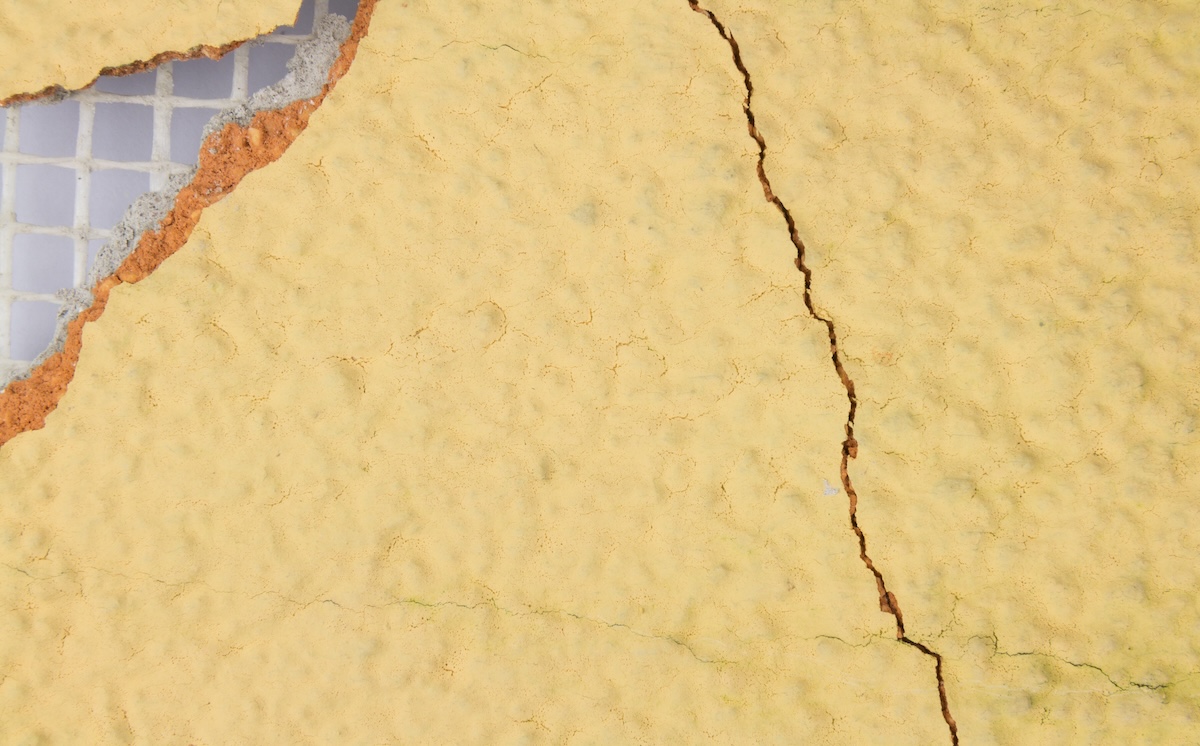
For most people, buying a property is the biggest financial risk of their lives. But while the aesthetic impression of the tour is often convincing, the real danger lurks in secret. Hidden defects are the bogeyman of every buyer. In Switzerland, the legal situation here is tricky: In principle, the principle of “bought as seen” applies when buying existing properties. If damp basement walls, asbestos-containing building materials or a dilapidated roof truss are discovered only after the keys have been handed over, the existential question of liability arises. Anyone who does not meticulously check when buying real estate often bears the risk of financial burdens alone.
The legal basis: Disclaimer of warranties
tenant are comprehensively protected under Swiss tenancy law, but there is a harsher wind when buying residential property. In almost every purchase contract for an existing property, there is a clause that excludes any warranty for physical defects. This means that the seller is not liable for defects that already existed at the time of sale but were not discovered.
There is, however, one decisive exception: fraudulent concealment. According to Art. 199 of the Code of Obligations (OR), a seller cannot rely on a disclaimer if he has concealed from the buyer defects that he knew or should have known. However, the burden of proof lies with the buyer — an endeavor that is often doomed to failure without expert help and legal assistance.
Obvious vs. Hidden: Where does liability start?
The Act distinguishes between two categories of deficiencies:
- Obvious deficiencies: These include cracks in the façade, worn floor coverings or a visibly outdated bathroom. The buyer should have identified these deficiencies if they had “paid due attention” during the inspection. No liability can be claimed for them retrospectively; they must be included in the negotiation of the market value.
- Hidden deficiencies: These are defects that are not visible even after careful inspection by a layperson. Examples include poor foundation sealing, dry rot behind paneling, or defective pipes under plaster.
A special case is the assurance of properties. If the seller explicitly assures in the advertisement or contract that the roof was completely renovated two years ago, but this is not true, he is liable for this defect — regardless of the general exclusion of warranty.
The critical zones: Where defects are often hidden
When buying real estate, certain areas of a property should be scrutinized, as the renovation costs here often reach astronomical levels:
- Humidity and radon: Musty smell in the cellar is a warning sign. Moisture damage to the foundation can often only be detected by specialized measuring devices. In certain regions of Switzerland, a radon measurement is also recommended.
- Asbestos and pollutants: In properties built before 1990, there is an urgent suspicion of asbestos in tile adhesives, window putties or insulation. Restructuring under protective conditions can put a massive financial burden on the renovation backlog.
- Statics and roof: A sagging roof beam or cracks in load-bearing walls indicate structural problems.
- Home technology: Outdated electrical installations or a faulty heating burner are often only visible when fully operational.
The “complaint”: Speed is essential
If the buyer discovers a defect after handing over the property, it is necessary to hurry. The law requires immediate notification of defects (Art. 201 OR). In practice, “immediately” often means within seven to ten days of discovery of the damage. Anyone who waits too long forfeits their claims, as the defect is considered “approved”.
The complaint must be formulated precisely and ideally sent by registered letter. In it, the buyer must describe the defect in detail and explain that he makes the seller liable for it. Since the warranty was usually waived when buying real estate between private individuals, the complaint is primarily aimed at substantiating the allegation of malice.
Prevention: The involvement of a construction expert
In view of the difficult evidence in retrospect, the best strategy is prevention. Before you make an appointment with the notary, you should visit the property with an independent building inspector. This investment of usually one to two thousand francs is disproportionate to the costs of an unforeseen total renovation.
An expert recognizes evidence of hidden defects that a layperson misses out on. In addition, a technical report provides a solid basis for a well-founded property valuation. If a significant restructuring backlog is identified, this is a powerful instrument to correct the purchase price in the final negotiation.
Checklist: Protection against hidden defects
- Expert check: View the property with a construction technician or architect.
- document inspection: Request a restructuring list for the last 20 years (including invoices).
- Contaminant testing: For objects before 1990, specifically ask for an asbestos check.
- GEAK report: Study the building energy certificate in detail — it often provides information about future deficiencies.
- Contract review: Critically review liability disclaimer clauses and, if necessary, demand guarantees for specific components (e.g. heating).
- neighbourliness: Ask neighbors about known problems in the settlement (e.g. groundwater issues).
- Radon map: Check whether the object is in a zone with a high radon load.
conclusion
Buying real estate in Switzerland requires a healthy dose of skepticism. Since the seller's legal liability for existing buildings is usually reduced to a minimum through standard clauses, the responsibility for the audit lies almost exclusively with the buyer. Anyone who refrains from a professional investigation plays Russian roulette with their assets. A transparent view of the potential renovation backlog and honest communication about the condition of the property protect both parties from unpleasant surprises at the notary and secure the long-term market value of the property.
Questions from this guide

Get answers to your questions
No matter what questions you have about real estate — Loft is here to answer them clearly, simply, and reliably.
Ask questions about a property