Property Gains Tax: How to Optimize Your Swiss Sale
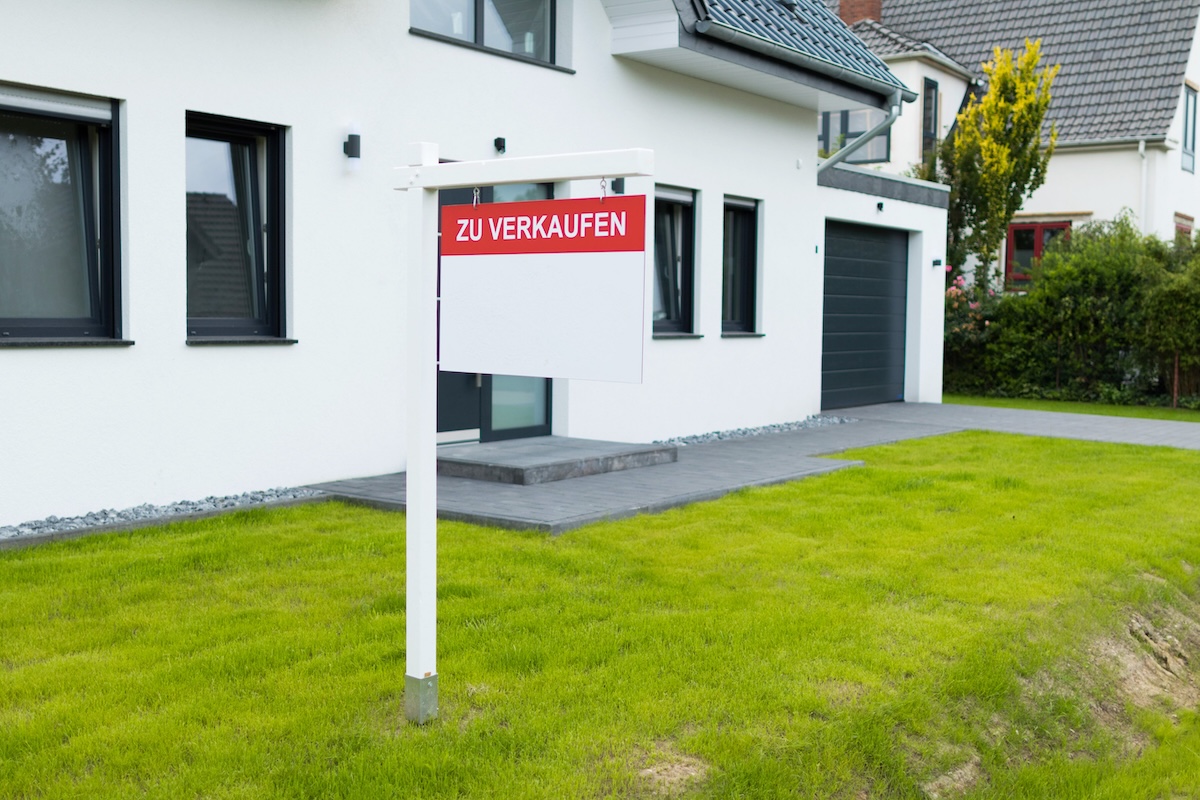
Selling real estate in Switzerland is often emotionally a farewell, but financially it is a highly complex tax event. As soon as the ink is dry under the notary's sales contract, an actor appears on the scene that many owners underestimate: the cantonal tax office. The property gains tax deducts the difference between investment costs and the selling price. Since real estate prices have risen massively almost everywhere in recent decades, the amounts involved are often six-figure amounts. But tax legislation offers legal levers to minimize this burden.
The foundation: What is taxed — and how
The basis of tax is net profit. This is calculated from sales revenue minus investment costs. Investment costs include not only the original purchase price, but also all value-increasing investments that you have made during your period of ownership.
There are two systems in Switzerland: the monistic system (e.g. in the canton of Zurich), in which all real estate gains are subject to specialized property gains tax, and the dualistic system, in which profits on commercial properties are taxed as income or profit. For private sellers, however, cantonal profit tax is almost always decisive, whose tariff is usually progressive — the higher the profit, the higher the percentage.
The most important lever: The length of ownership
Switzerland rewards consistency. Almost all cantons are aware of the so-called tenure discount. The principle is simple: The longer you have owned the property, the lower the tax rate. After 20 years of ownership, the tax is reduced by 50% or more in many cantons.
Conversely, the tax authorities warn against short-term speculation. Anyone who buys a property and sells it again at a profit after just two years must expect hefty speculation surcharges. Strategically, this means that if you are close to an important deadline (such as the 10th or 15th year of ownership), it may be worthwhile to delay the sale by a few months in order to benefit from the next discount level.
Deductible costs: Documentation is cash
Profit can be reduced mathematically by proving investment costs as high as possible. This is where many sellers make the mistake of not keeping complete documentation. The following are deductible:
- Value-increasing investments: The new winter garden, the extension of the attic or the installation of a photovoltaic system. Important: Pure maintenance work (painting, repairs) is not deductible, as this could already be claimed in the annual income tax.
- Sales costs: The brokerage commission, advertising costs, notary costs and property transfer tax (if borne by the seller).
- Construction loan interest: Under certain circumstances, interest on construction loans during the construction phase can be added to investment costs.
Ideally, keep invoices from renovations for 20 years. Without supporting documents, the tax office will not recognize these costs, which unnecessarily increases taxable profit.
The “magic bullet”: The tax deferral when buying a replacement
This is the most important article in Swiss tax law for private home owners. If you sell your owner-occupied property in order to purchase a new replacement in Switzerland within a reasonable period of time (usually two years), you can claim the tax deferral.
The profit from the first sale is then not immediately taxed, but “deferred” and offset against the new property. The tax is only due when you definitely move away from home ownership without buying a new property. Important: The deferred amount must be reinvested. If you sell a big house and buy a significantly cheaper apartment, part of the profit (the difference) becomes immediately taxable.
Special case: Inheritance and gift
In the event of an inheritance or gift, there is usually a tax deferral. The heir takes over the property at the value and duration of ownership of the testator. This sounds beneficial, but involves tax deferred: If you sell the property later as an inheritance, the tax office calculates the profit based on the purchase price that your ancestor paid decades ago. The tax burden can then be gigantic, as the tenure discount is high, but the nominal profit has grown extremely over time.
Checklist: How to lower your property gains tax
- Check holding time: Will I soon reach a higher long-term discount level?
- Collect receipts: Are all invoices for value-increasing investments available?
- Add sales costs: Were the brokerage commission and notary fee correctly deducted from the proceeds?
- Plan replacement procurement: Will I buy a new home in Switzerland within two years?
- Consult tax advice: Professional real estate valuation and tax calculation in advance is particularly worthwhile when profits are high.
- Securing tax: Attention buyers! Make sure that part of the purchase price goes directly to the tax office or is secured, as the tax is a legal lien on the property.
conclusion
When selling real estate, property gains tax is a factor that determines actual financial success. The tax burden can be significantly optimized through the clever use of tax deferral, meticulous documentation of investment costs and timing regarding the period of ownership. A real estate sale should therefore never be rushed, but should always be carried out with a view to the cantonal tax rate and individual reinvestment plans. Anyone who sees the tax authorities as a partner and uses the legal leeway will ultimately retain significantly more of the earned net worth.
Questions from this guide

Get answers to your questions
No matter what questions you have about real estate — Loft is here to answer them clearly, simply, and reliably.
Ask questions about a property