Selling Your Home Yourself: How to Sell Without an Agent
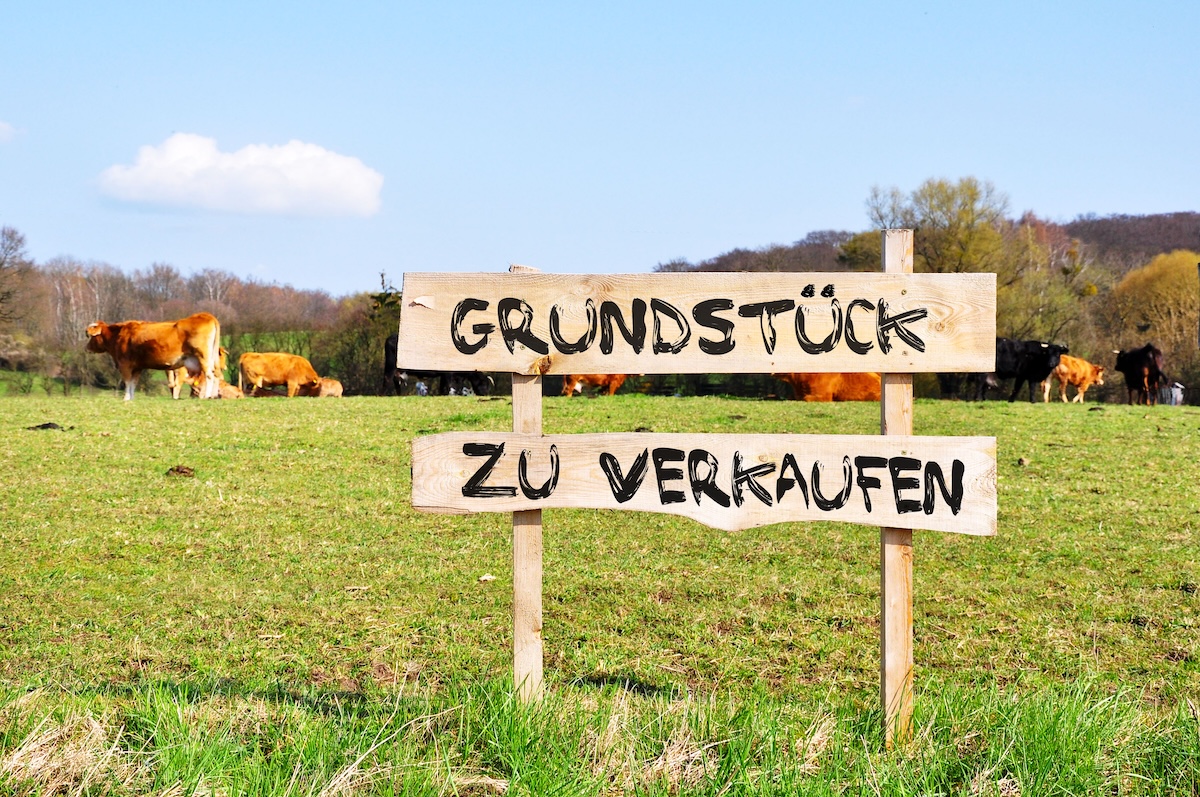
The decision to sell a property on your own is often driven by a central motive: saving the brokerage commission. In a market environment in which Swiss real estate prices remain at a high level, a commission of 2 to 3 percent usual in the industry quickly equates to the equivalent of a mid-range car or a luxurious kitchen renovation. But selling a house without an real estate agent is not just a calculation example. It is a demanding project that requires profound market knowledge, basic legal knowledge and emotional negotiation skills. Anyone who takes real estate sales into their own hands is walking a fine line between maximum return and costly liability risks.
Pricing: The basis of success
The most common mistake when selling a house without an real estate agent happens even before the first viewing: an incorrect assessment of the market value. While professional intermediaries rely on transaction-based databases and hedonic models, private sellers often tend to emotionally overestimate their own four walls. An excessively high selling price scares off qualified prospects and causes the property to burn as a “slow-keeper” on the portals.
Conversely, a price that is too low means a direct loss of assets. A well-founded property valuation is therefore essential. Use online estimation tools as a first clue, but consider an independent, expert estimate for complex objects. Only those who understand the Swiss real estate market in its regional form can set a price that is both attractive and in line with the market.
Marketing and documentation: The real estate's calling card
In the digital era, the first click is decisive. A professional exposé is half the battle when selling real estate. This includes not only appealing, wide-angle photographs in optimal lighting conditions, but also complete documentation. Prospective buyers and their financing banks today require absolute transparency.
Make sure that all relevant documents are available:
- A recent excerpt from the land register.
- The cantonal building energy certificate (GEAK).
- Accurate floor plans and cubature calculations.
- Evidence of recent renovations and maintenance work.
Placement on major real estate portals is now easily accessible to private sellers, but requires a certain budget for advertisements. Don't underestimate the time required to answer inquiries and coordinate viewing appointments.
The negotiation: Objectivity in emotional spaces
The sale of their own home is a highly emotional matter for many. This is exactly where a broker's strength lies as a neutral buffer. If you sell your house without an real estate agent, you must be prepared to objectively accept criticism of your house — whether it's the floor plan or the taste of the tiles.
Successful negotiation also means separating the wheat from the chaff. Request a written financing confirmation from a Swiss bank from potential buyers at an early stage. Nothing is more annoying and risky than finding out shortly before the appointment with the notary that the buyers are not liquid. A structured process for checking prospective buyers protects you from unnecessary sightseeing tourists and time thieves.
Liability and law: The stumbling blocks in the sales contract
In Switzerland, the sale of second-hand real estate is usually subject to the exclusion of warranty (“bought as seen”). But this protection is not absolute. If the seller maliciously conceals defects (e.g. hidden moisture damage or asbestos-containing building materials), he is liable despite the exclusion clause.
When selling real estate without professional support, you must ensure that the purchase contract covers all relevant points. Although the notary prepares the contract, he acts as a neutral document and not as your personal representative. Particular attention is paid to ancillary agreements: Who pays the property gains tax? How is heating oil billed? When exactly does the key handover take place? A small mistake in the wording can later lead to expensive legal disputes.
Costs and time spent: The hidden bill
The saved brokerage commission is not a net profit. Calculate honestly: The costs of professional photos, advertisements on portals, the procurement of documents and, above all, your own working time. A sales process in Switzerland takes an average of four to eight months. During this time, there are dozens of phone calls and weekends of sightseeing. Anyone who is heavily involved professionally often finds that the opportunity costs of self-management put commission savings into perspective.
Checklist: selling your own house
- market analysis: Created a realistic property valuation (not just wishful thinking)?
- documents: Are the land register extract, plans and insurance statements up to date?
- optics: Is the property “staged” (tidy, bright, well-maintained) for photos and visits?
- advert: Is the text appealing and contains all mandatory information (e.g. GEAK)?
- financial audit: Do you insist on a bank confirmation for serious prospects?
- notary: Is an appointment reserved for public notarization?
- taxes: Have you already calculated the expected property gains tax?
- handover: Is a detailed protocol prepared for the day the keys are handed over?
conclusion
Selling a house without an real estate agent offers the opportunity for significant additional financial profit, but requires a high level of professionalism. Anyone who is prepared to read up on the subject matter of real estate valuation, invests time in marketing and keeps the necessary distance in negotiations can be successful. But be careful: The complexity of the Swiss real estate market and the legal pitfalls do not forgive gross mistakes. For laymen with little time or complex objects, going to the professional is often the safer option to achieve the optimal selling price without legal sequelae.
Questions from this guide

Get answers to your questions
No matter what questions you have about real estate — Loft is here to answer them clearly, simply, and reliably.
Ask questions about a property