Modern vs. Traditional: The Swiss Housing Compass
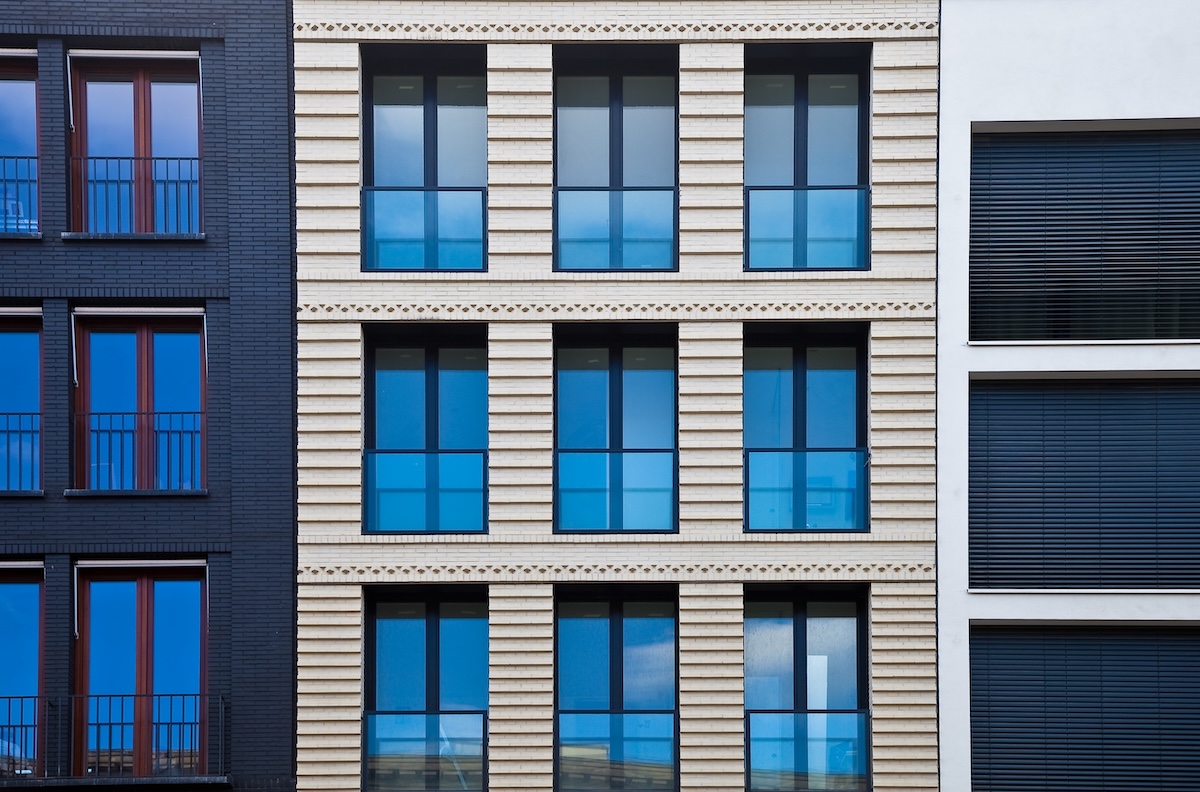
The Swiss real estate market is currently like a highly efficient but merciless cutthroat market. While the vacancy rate in cities such as Zurich or Geneva remains at an all-time low, housing seekers and investors are faced with a fundamental course: Should you opt for the uncompromising functionality of a first-time purchase or give preference to the aesthetic narrative of an old building? The question of “initial occupancy or old building” is far more than just a matter of taste; it is a calculation of life cycle costs, energy efficiency and social anchoring.
First-time occupancy or old building: A definition of living environments
In order to make a well-founded decision for the initial purchase or old building, a clear distinction is required. In the Swiss context, initial occupancy usually means properties that have been built in accordance with the latest building standards — often certified according to the Minergie standard — and that their turnkey handover is imminent. Here, tenant or buyers encounter untouched surfaces and state of the art building technology.
The old building contrasts with this. In Switzerland, this term usually includes properties that were built before 1960. They are often characterized by massive masonry, generous room heights and distinctive architectural details such as herringbone parquet or stucco work. The choice between first-time occupancy or old building therefore often marks the conflict between technical perfection and historical charm.
The economic perspective: price dynamics and investment security
Anyone looking for residential property or a rental apartment on the Swiss housing market today will find that the price gap between the two categories is wide. A first-time purchase usually justifies its higher rental prices due to a superior infrastructure and significantly lower service charges. Thanks to the latest heat pump technology and high-performance insulation, heating costs are often only a fraction of an unrenovated old building.
When considering initial occupancy or old building from an investor's point of view, it becomes apparent that the old building often scores points due to its microlocation. Historic buildings are mostly located in mature districts with high urban density and excellent connections. First-time purchase, on the other hand, is often found in newly developed areas or through densification in the agglomeration. Statistically speaking, the price per square meter for first-time occupancy in urban centers is around 15-25% higher than that of a comparable old building, with the maintenance costs of new construction tending towards zero in the first ten years.
Energy efficiency and sustainability: The order of the day
A central argument in the debate on initial occupancy or old buildings is the ecological balance sheet. With the Climate and Innovation Act, Switzerland has committed itself to net zero by 2050. This is where first-time subscription has system-related advantages. Intelligent building automation, controlled home ventilation and integrated photovoltaic systems are standard.
But the decision to buy an old building for the first time is not unilateral from an ecological point of view. Critics of the new building point to “grey energy” — i.e. the energy spent on construction and materials. A well-preserved old building has often already paid off its ecological debt. If it is energetically renovated, it can demonstrate an excellent sustainability record without having to reuse valuable resources for concrete and steel.
Regional differences: city vs. countryside
Availability varies significantly on the Swiss real estate market. In centers such as Basel or Bern, the range of old buildings shapes the cityscape. Anyone who has to choose between first-time occupancy and old buildings often opts for the old building, simply because new buildings are few and far between in the city center. In contrast, in cantons with a high level of construction activity, such as Aargau or Central Switzerland, modern buildings dominate. Here, initial occupancy is often the more economically reasonable choice, as the supply of historic buildings is lower and their level of renovation is often unclear.
Checklist: Strategic decision support
In order to answer the question of first-time occupancy or old building for your personal situation, the following points should be evaluated:
- Financial leeway: Can you bear the higher initial costs of an initial purchase or do you have reserves for potential renovation costs for an old building?
- Technology affinity: Is a smart home system and floor heating important to you (first-time use), or do you appreciate the haptic quality of old radiators and thick walls (old building)?
- Noise protection: Thanks to state-of-the-art glazing, first-time use today offers sound insulation that an old building rarely achieves without massive retrofitting.
- indoor climate: Do you appreciate the controlled ventilation of a Minergie house or do you prefer the natural diffusion capacity of old buildings?
- time factor: Patience is required when moving in for the first time; the old building is often ready for immediate occupancy, but poses the risk of unforeseen defects.
Conclusion: A question of priorities
The decision between first occupancy or old building eludes a universal formula. If you are looking for security, technical perfection and calculable costs, you will find fulfillment with the initial purchase. On the other hand, anyone looking for a soul in masonry and willing to accept the imponderables of an older property will be rewarded with the incomparable ambiance of an old building.
In the Swiss housing market, the microsituation is ultimately the tipping point. Regardless of whether you choose to move into an old building for the first time, a thorough examination of the building structure and an honest analysis of your own lifestyle are the foundations for a happy long-term living relationship.
Questions from this guide

Get answers to your questions
No matter what questions you have about real estate — Loft is here to answer them clearly, simply, and reliably.
Ask questions about a property